Health and Safety Policy for Docklands Cleaners
 At Docklands Cleaners, health and safety is a core part of how we plan, deliver, and review every cleaning service. Our cleaning safety policy is designed to protect employees, clients, visitors, and anyone who may be affected by our work. We believe that a safe workplace is essential to consistent quality, reliable service, and professional standards. This policy applies to all cleaning activities, equipment use, chemical handling, and work practices carried out by our team.
We take a proactive approach to workplace safety by identifying risks before work begins and by putting practical controls in place. Every cleaner is expected to follow safe working methods, use equipment correctly, and report anything that could create harm. Health and safety in cleaning is not treated as a separate task; it is built into the way we operate every day. Our goal is to maintain a clean environment without compromising the wellbeing of our staff or clients.
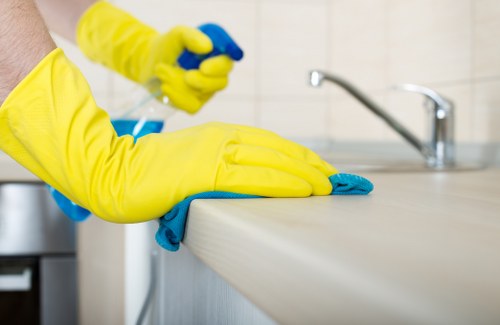 This policy also supports our commitment to legal compliance, quality assurance, and responsible business practice. We recognise that cleaning work can involve slips, trips, lifting, exposure to chemicals, and repetitive tasks, so our procedures are designed to reduce these risks wherever possible. By maintaining clear standards and consistent training, Docklands Cleaners aims to deliver safe cleaning services that are both efficient and dependable.
Our Safety Principles
We follow a simple set of safety principles that guide all cleaning operations. First, hazards must be identified and assessed before work starts. Second, all staff must use suitable personal protective equipment when needed. Third, tools, materials, and machines must be maintained in good working order. Finally, every team member has a responsibility to act safely and to look out for others. These principles help us create a controlled and professional working environment.
Our cleaning health and safety policy applies to a wide range of tasks, including routine office cleaning, deep cleaning, floor care, washroom sanitation, and specialist surface treatment. Each task is reviewed for potential risks, and the work method is adjusted as needed. Safe cleaning procedures are selected to suit the environment, the materials involved, and the condition of the site.
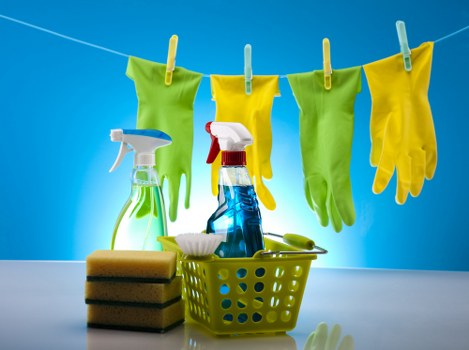 We also place great importance on communication. Team members are encouraged to raise concerns immediately if they notice broken equipment, unsafe conditions, or unexpected hazards. Supervisors review concerns promptly and take action where required. This open approach helps us prevent incidents and improve the overall effectiveness of our cleaning safety practices.
Training, Supervision, and Competence
Training is one of the most important parts of our health and safety framework. All employees receive instruction on safe cleaning methods, hazard awareness, manual handling, chemical safety, and emergency response. New starters are introduced to our standards before they begin independent work, and refresher training is provided whenever needed. This ensures that every cleaner understands how to work safely and confidently.
Supervisors monitor performance and provide support where necessary. They check that procedures are followed, equipment is being used properly, and safety standards remain consistent. If a task requires additional control measures, the supervisor will make sure these are in place before the work continues. This level of oversight helps us maintain a reliable cleaning and safety policy across all services.
We also expect staff to maintain personal responsibility for safe behaviour. This includes wearing appropriate footwear, using correct lifting techniques, keeping work areas tidy, and avoiding shortcuts that could create risk. By combining training with accountability, Docklands Cleaners strengthens its overall workplace safety culture and supports long-term service quality.
Equipment, Chemicals, and Risk Control
All equipment used by Docklands Cleaners must be suitable for purpose and kept in safe working condition. We inspect tools and machines regularly, remove damaged items from service, and ensure that any required maintenance is completed promptly. Cables, plugs, and moving parts are checked to reduce the chance of injury or interruption. Good equipment care supports both safety and efficiency.
Cleaning chemicals are selected, stored, and handled with care. Products are used only according to instructions, and staff are trained to understand labels, dilution requirements, and protective measures. Where possible, we use lower-risk products and methods that reduce exposure to strong substances. This controlled approach to chemical use is a key part of our health and safety cleaning policy.
Risk assessments are carried out when necessary to identify hazards and establish suitable control measures. These assessments consider the environment, access routes, surface conditions, manual handling demands, and the presence of other people in the area. Measures may include warning signage, restricted access, safe sequencing of tasks, and the use of personal protective equipment. These controls help ensure that Docklands Cleaners delivers safe and responsible cleaning services.
Reporting, Monitoring, and Continuous Improvement
 We believe that strong safety performance depends on regular monitoring and continuous improvement. Any accident, near miss, or unsafe condition must be reported so that it can be reviewed and addressed. Reports are used to identify patterns, update procedures, and improve future planning. This process helps reduce repeated hazards and keeps our cleaning operations effective.
Our policy is reviewed periodically to ensure it remains relevant and effective. Changes in equipment, working methods, or risk levels may require updates to procedures and training materials. Where improvements can be made, we act on them without delay. Cleaning health and safety is an ongoing responsibility, not a one-time task, and we are committed to improving standards over time.
 Everyone at Docklands Cleaners is expected to support this policy by working carefully, following instructions, and respecting the safety of others. Through clear procedures, proper training, and consistent supervision, we aim to maintain a secure and professional service for every client. Our commitment to health and safety in cleaning services helps protect people, reduce risk, and preserve the quality of our work.